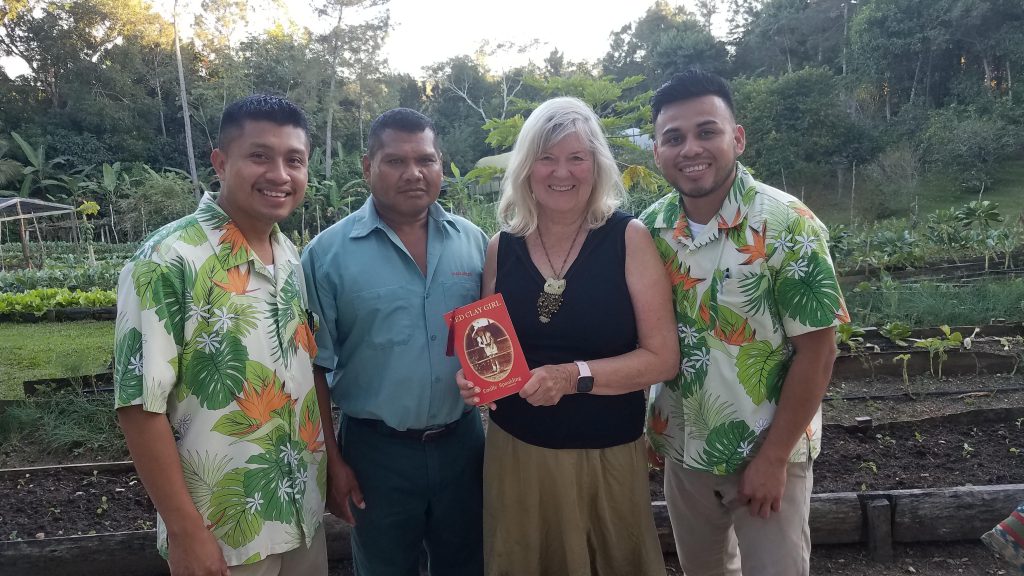
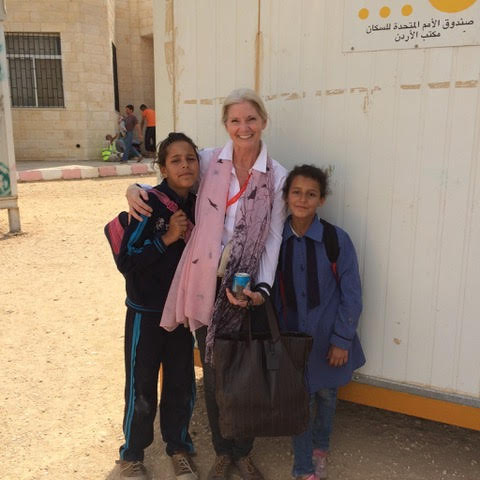
Emilie Spaulding’s first book, Red Clay Girl is the heartbreaking, hilarious, and tenacious story of a middle child’s journey from small town Georgia to New York City and beyond. When she reaches her unplanned destination, self-acceptance, you’ll shout hallelujah! (Red Clay Girl is available at indie bookstores and on Amazon.com)
Listen Up and Learn Something
In the 1950s, I left the southern United States where neighbors were of English, Scottish, or Irish descent. We followed the same unwritten rules on how to dress, what to eat, and how to behave. As years have passed, wanting to find out more, I began introducing myself to strangers, asking them questions, and they told their life stories. The abbreviated stories below are part of my current project called, Listen Up.
Billy Ming Sing Lee, young Chinese Architect and John Viano, old New Hampshire native collaborated together on our modern house in New Hampshire decades ago. Billy used ancient feng shui techniques to snug in our house among trees, boulders, and mountains at the edge of a lake. Even today, strangers paddling by will stop and exclaim and compliment the beauty of Billy’s and John’s work. Billy, as you know, has graduated from building houses to building friendships among nations.
Maya Angelo, a stranger, famous poet and guest speaker at Sleepy Hollow Country Club in New York graciously shared with me how she gets the attention of a distracted noisy group of a hundred or so well-to-do guests at a Sleepy Hollow Country Club, New York benefit. In a change of pace, she tells us how to get others to listen to us.
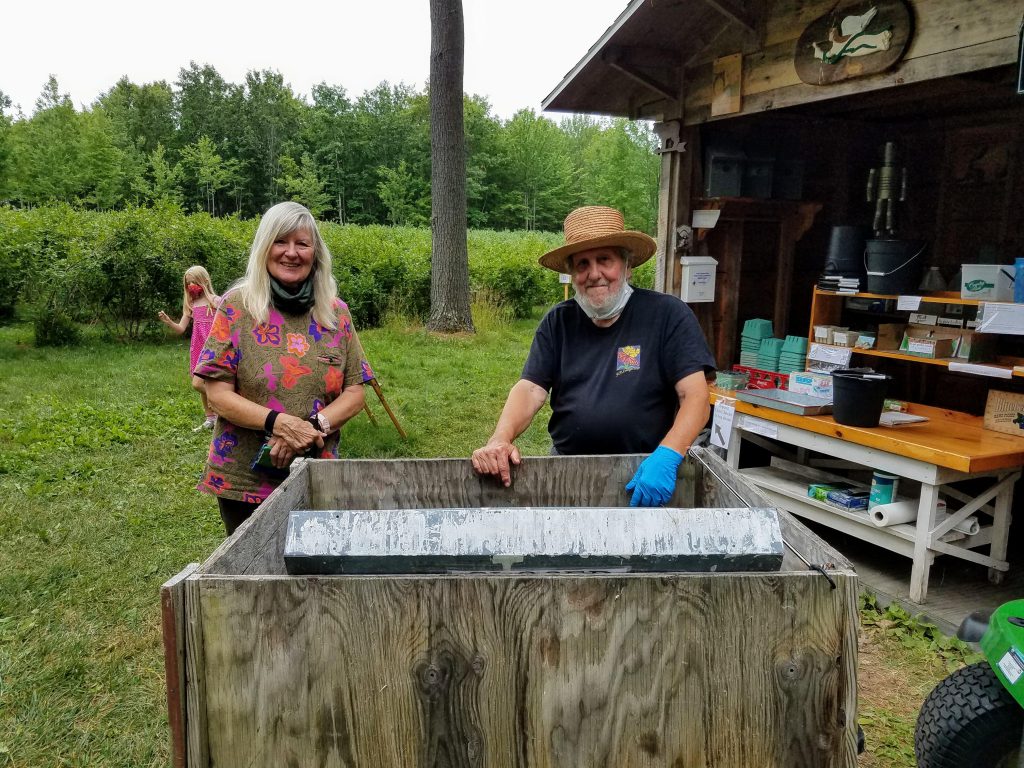
Jean Royer, called the blueberry man in Moultonborough, NH, went from being a lonely only child to becoming a pioneer computer wizard with his own company. In his next adventure, he owns a PYO (pick your own) blueberry farm. With the help of his wife Jeannine he uses opportunity to befriend dozens of strangers from all walks of life as they pick berries in his fields.
Ken, Supervisor of a Recycling Center in New Hampshire, fondly called the Dump, spreads his cheer talking to hundreds of people daily, even though all seem in a hurry to get on with their lives. He listens to complaints and suggestions and helps out in a myriad of ways. Oh the stories Ken knows…
Dave, a Ship’s Captain in Alaskahas a glamorous job where he gives equal attention to the whales, guests, and crew. This debonair man’s loyalty to his childhood sweetheart, now his wife, was touching, and inspiring. Captain Dave listens to port officials, crew members, and ship guests as if they were family.
Sharon Jones, renowned singer from Portsmouth, New Hampshire was often the only Black child in her class. She tells how her mother, her dog, and a doll given her by her teacher helped her get through being ignored by the other kids. She has found her magic singing to people all over the world. Having courage, being entertaining, and caring about strangers are her trademarks.
Edwin, a car salesman in North Carolina got his start selling vacuum systems. He convinced a wizard of the KKK who originally tried to turn him away because of his race, to buy a vacuum cleaning system from him. Edwin has built trust, friendship, and respect with all of his customers – former strangers – but now friends. He works his magic by acts of kindness, thoughtful gifts, and staying in touch.
Elaine, daughter of the painter portraying Booker T. Washington, founder of Tuskegee Institute, speaks of her, her mother’s, and sisters’ regrets of not being allowed to participate in racial protests and activities. Afraid their father might lose his job, they could only listen, not talk. Their frustration lasted for decades. They have taught me to feel fortunate I have been able to freely communicate and hear other viewpoints.
Conclusion: Asking, listening, and respecting strangers has changed my life. Before I started this project Listen Up, when I saw an unknown person sitting alone at a party and felt sorry for them, I rushed over to make them feel welcome. I thought I was doing them a favor. Now I know better. Today when I rush over to talk to a stranger, it is to listen to their story, understand them better, and marvel at what I can learn.
Billy’s Comments: Emilie wrote me a week ago: “My second book which I’m 3/4 of the way through is about how much one can learn from listening to strangers who are different from you. Especially the thought that wouldn’t this be a better place if we strangers talked and listened to each other.” Emilie and husband Dick Spaulding were my architectural clients at first. We are now Dear Old Friends. Dick, btw, lured Emilie from Georgia to New York City. Dick, while at Scholarslic Magazine, also discovered and introduced Harry Potter to the world.
CYNTHIA ENGLISH FOUNDER – CEO – Chief Happiness Cheerleader GLOBAL SCRIBES : YOUTH UNITING NATIONS® TECHNOLOGY FOR POSITIVE YOUTH IMPACT Support: Youth Uniting Nations® Leveraging innovative technology for positive youth impact, our Scribers develop enlightened respect for humanity and its diversity while discovering their own talents and passions. Our ‘For Youth, By Youth, ALL Youth’ platform, Scribers WorldTM – The Creative Hub for Global Youth – augments formal education and spurs meaningful communication to Create. Connect. Collaborate. inspiring our global youth to become empowered global citizens.
Forgive me for being late with my submission… the beauty & depth of so many of your stories in Billy’s blog took me to faraway lands in times I will never know but wish to hold in my heart to feel what I just might be able to understand. A different time, different countries, and yet, stories of movement & change, fear & finally, fraternity…stories which continue to occur each day all around our world.
There is nothing I love more than diverse people, their cultures & our world filled with sights & sounds, smells & textures of ‘different’ mixed in with the clarity of ‘similarities’. Spending my life living, working & traveling across our globe looking through rose-colored glasses since childhood, it was a disjointed moment when I felt a chill of change walking through the Helsinki airport in 2013. I was in one of the safest cities in the world, yet the sense of unease I felt was palpable– perhaps the culmination of a series of borders crossed. Either way, It was then I was struck with a vision to help re-direct what I suddenly saw as a backward trajectory to chaos & re-entrenchment happening around the world. With finite space, finite natural resources already stressed in so many places, changing climes (since the beginning of time) and migration for work or safety a continuum, the skills of listening and compromise seemed to be lost or breaking–for a global citizen, ‘regression’ was a sirens call. Compromise must find a way back into global discourse not be discarded. One world perspective needs to find a place.
The world needs more than a bandaid–we need a long-term solution. I began asking myself questions like, ‘How can we really make ‘unity’ happen?’ ‘Can global peace really ever come to be?’ There are countless organizations working on solutions, indeed, the United Nations has been striving for peace for years. But there is a difference between talking and doing. And, as we all know, trying to change adults is nigh impossible. We are a tough group, non? So, I started thinking about what the world is doing today & where we are going… if my goal is to give more people the opportunity to understand that we are all just people with more similarities than differences…and open doors of possibility…where do we start to build global trust? In my opinion, having global friendships is the beginning of building cross border trust. Breaking generational fears of ‘other’, of ‘different’. I chose to focus on our global youth. If our future Stewards of Humanity & our Planet can go through life with friends from around the world, they just might pave the way as Youth Uniting Nations toward global care and unity. And when THEY are our household, community, corporate, country and even global leaders, they will bring with them a perspective too few people share today.
Next question, ‘How do I reach them?’ Technology. In my day as a youth, we had teddy bears, today, that phone in their hand?– their ‘teddy bear’. The thing that gives them a sense of security has a lot of power.
Then next, ‘What is the foundation of friendship?’ Similar Interests. Working together on projects. Laughter. Empathy. Understanding. Trust. If we remove those elements of adult life which can cause huge rifts between families and countries, we will give the kids a chance to have fun building solid friendships. Then one day, with the security of a solid friendship, the ability to listen and discuss, knowing they can agree to disagree and their friendship will remain strong, subjects like religion and politics can be introduced.
‘What can we build that will interest 8 – 21 year olds?’ Giving them their own community where ALL youth are invited to participate. No religion. No politics. No segregation. of any kind. A community ‘for youth, by youth, all youth’. No (or few) older adults. & ‘keep their attention? It needed to be inline with gaming & FUN!, with the added ability to provide a sense of accomplishment .
In June of 2014 I founded Global Scribes: Youth Uniting Nations®– Create. Connect. Collaborate. www.globalscribes.org click on GSIM radio their own radio station Scribers built, their YouTube Channel, their Instagram & so much more… See two of our Scribers from Turkey & Qatar on the TEDx red carpet, see their award-winning film ‘Ocean Eyes’ for the Blue Ocean Film Festival, see their interviews & so much more… With a concept of HAPPINESS, we moved from concept camp to a prototype build out in Jordan, from 16 kids to youth from 46+ countries with no formal marketing. Over 5 steps, ‘Scribers’ (the kids named themselves) write poetry, music lyrics, creative stories or narratives or share their artwork in their native language and in English (the best they can); they prepare ‘selfie’ videos describing their stories or storytelling or play their composition; they create a short film called, ‘The Life I Lead’; they join GSYUN Teams like Science & Nature, Finance, Green Entrepreneur, Newsletter, Bon Appetit & more to discover their own talents & passions & build their self-esteem & efficacy, & lastly; they join a weekly video call to finally meet one another in real time. It is an honour to say we have Scribers who have been participating for 3 – 5+ years– they call GSYUN their ‘second family’. The place they feel safe. Some have graduated from high school and are in University now. Some are looking for their first job. Some say they never in their lives thought they would know someone from that country, would never have a friend from there, & never in their lives did they know that maybe one day they would travel there. Most say they are happier. They know there is always a Scriber there to listen to them without judgement, to share their fears, tears, failures, triumphs & success. Positive mental health is a keen necessity in these times. They have learned they can do anything by walking through an opened door of possibility.
‘Just an idea’ began to flourish so much I had to pull it back so we can get the next phase of technology in place so we may touch the lives of hundreds of thousands of global youth. The prototype of our Y.U.N. App is built, we need only the last funding to build out the entire App. For Youth, By Youth, ALL Youth. Adding new layers to a simple idea of global friendships. Friendshipology is a thriving concept– I feel so blessed to have met Billy at Stanford when I was there as a GES+ winner…as you might imagine, we have an unbreakable bond. I so hope to meet you all one day… in the meantime, if you would like to know more about GSYUN or how you might help us move forward in connecting our global youth in a safe, healthy & positive way, please connect with me! cynthia@globalscribes.org
THROUGH COMMUNICATION – INTERACTION; THROUGH INTERACTION – KNOWLEDGE; THROUGH KNOWLEDGE – UNDERSTANDING; UNDERSTANDING ILLUMINATES & ALLOWS US TO CREATE A CLOSER WORLD. This quote by R. Civita is a FOUNDATION of GSYUN
VITA: Founder and Visionary, Cynthia English spent the first 22 years of her diverse career in the fashion industry traveling worldwide sourcing vendors, managing manufacturing, shopping stores for inspiration and overseeing product design, as well as buying for retail stores, on behalf of some of the largest global fashion brands. She has been responsible for businesses ranging in $volume from $4.0m to $86.0m in sales and/or inventory value. Both a passionate writer at heart-having written her first book at age 8, “Ralph the Mouse”-and an entrepreneur since the age of 21, her creative spirit began to take hold after leaving the corporate world behind. She opened a small interior design company and created great dates™, a concept focused on building closer relationships through shared experience, which targeted multiple platforms including print, television and the internet. great dates™ was picked up by the Hallmark Channel and then subsequently dropped when Crown Media shifted their opening strategy to classic re.runs. Cynthia’s life continues to evolve as she explores cultural interchange in every corner of the globe- from climbing the pyramids of Tikal, Guatemala to inspecting vanilla vines in Bali to being a volunteer in Zambia for Habitat for Humanity to trekking over 800 km solo from St. Jean Pied de Port to Santiago de Compostela, across El Camino, St. James’ Way. In an about-face from her high-glamour fashion roots, she learned how to survive with one change of clothing, the shoes on her feet (and her pink flip-flops), thus opening doors to an entirely new world of adventure brimming with freedom, more privilege, and everyday miracles. Cynthia graduated from the Marshall School, University of Southern California, with a degree in International Finance and Duke University’s Non-Profit Management School. Fortunate to attend the Aspen Writer’s Conference, and Oxford University’s School of Continuing Education for Creative Writing, she learned to champion criticism, stay unique, and to keep striving to be better. Taking inspiration from her many and widely varied adventures, she has had articles published in the United States and Europe, her first thriller novel was published in the United States in 2010 and she is now pursuing her childhood passion-writing and outreach. Cynthia heeds the impassioned plea of a young woman named Honig, whom she met on a train between Budapest and Bucharest–”please, never stop delivering world adventure to those unable to make the journeys themselves.” And to this end, embracing the human dynamics and cultural riches she has known, she perseveres through life’s lessons to provide powerful messages of love, acceptance of different and distinct lives, and preservation of free spirit in all humanity, regardless of origin and culture through the current scaling of Global Scribes: Youth Uniting Nations® the App & web-portal, Y.U.N. or Scribers World™️ is planned to launch in collaboration with SAP Next Gen and global academic and corporate partners as soon as final funding is found.
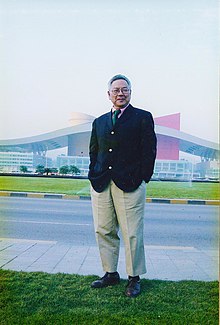
John Ming Yee Lee is my younger brother by six years. We are both retired Architects and graduates from Yale School of Architecture. He is well known internationally for his design of Citizens’ Center and China Merchants Bank Tower in Shenzen, China. While working with Edward L. Barnes Architects, he designed the IBM Office Tower in NYC and introduced the famous Bamboo Pavilion. The elegant Thurgood Marshall Federal Building in Washington DC bears the Architects names Barnes and Lee, after he became a full partner. John has two sons and two grand daughters. He now resides at Rossmore, a fancy retirement community north of San Francisco.
‘I want to call your name, but the word dies in my throat. Oh, my friend, my friend.’Those were the final two tear jerking lines in ‘The Friend’ a novel by Sigrid Nunez. The story is about a lady writer who inherited a Great Dane that belonged to her ex-lover who had committed suicide. Early on, it served as a reminder of memories with him. Despite the difficult condition of having another large living body in a tiny NYC studio apartment, the two developed a friendship that she treasured more than the one with her ex-lover. It was not simply because of the loyalty as expected of a dog. It was its lack of ego and demands and its quick sensitivity to her moods and feelings. A Great Dane’s life span is relatively short as I understand with most large dogs. The dog passed away when they were briefly staying near a beach in the summer to escape the hassles of the Big Apple.
I finished that novel a short time before Billy asked me to contribute an essay for his Friendship website. I first decided to google the subject. That was a mistake. I was totally intimidated. There are dozens of books dedicated to friends and friendship. I ended up reading only a selection of quotes.
‘The only way to have a friend is to be one’ – Ralph Waldo Emerson’Friendships between women, as any woman will tell you, are built of a thousand small kindnesses…’ – Michelle Obama. (That applies to men as well.)
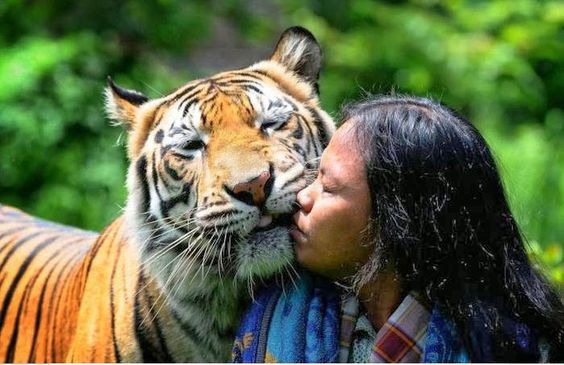
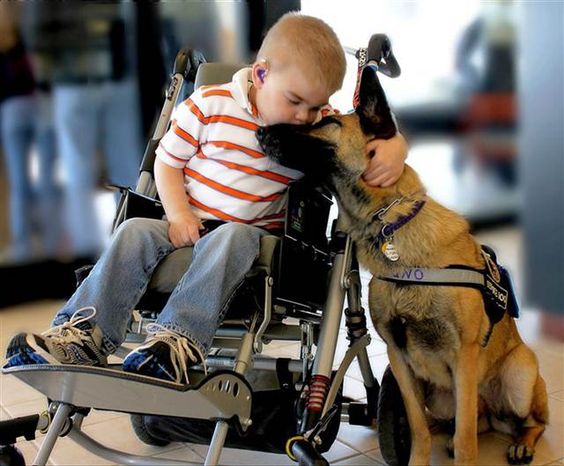
‘A single rose can be my garden,.. a single friend, my world.’ – Leo Buscaglia’I may not always be there with you, but I will always be there for you.’ – Unknown An overwhelming majority of the quotes seem to imply that friendship is limited to between humans. But I believe that most of our experiences are otherwise.
I now live in a senior community where many would not survive without their bond with their pet friends. And there are so many true touching stories we hear.The retired laborer who lives by himself next to the rocky coast. He found a distressed penguin one day and nursed it back to health. It was released back to the ocean after a few months. Next year around the same time, he was surprised to find the penguin wobbling up to his shack and it was so happy to see the old man. The penguin stayed for a period and went back out to sea. That visit now happens every year.
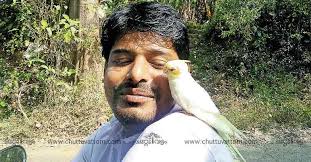
On BBC News last week, it showcased a lady living in a high rise befriending a bird. During the lockdown, the lady noticed a bird on and off resting on the window sill. She tried to feed it by hand but it would fly away. So the lady decided to leave the crumbs on the sill. The bird would come and feed on them. After a few days, the lady tried again to feed it with the crumbs in her hand. This time it took. Now that bird would come every day and the lady would pat it on the head and the bird would affectionately peck at her finger in response.
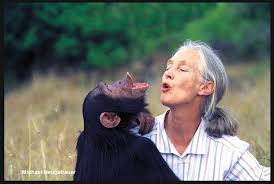
We of course all know about Jane Goodall and her chimpanzee family.
Of course I am not belittling human friendship. I would not be here today without their help and mentoring. As Ming Wang pointed out in her essay, there are many levels of friendship. But human friendship can also be fickle. My friend Art told me about an incident when he was young and full of himself. He had a crush on a lovely lady and they got together on and off. One day, they went for a drive in his old convertible. With her long hair flowing in the wind, Art was totally entranced. Words poured out of his mouth how he had a crush on her and how absolutely gorgeous she was. She stayed quiet throughout with a slight smile. When they got back, she turned and told him that she would not ever want to see him again!
At any rate I am writing this because I believe that far too often we have forgotten that we too are part of the animal world. There can be rewarding bonding not limited between humans.
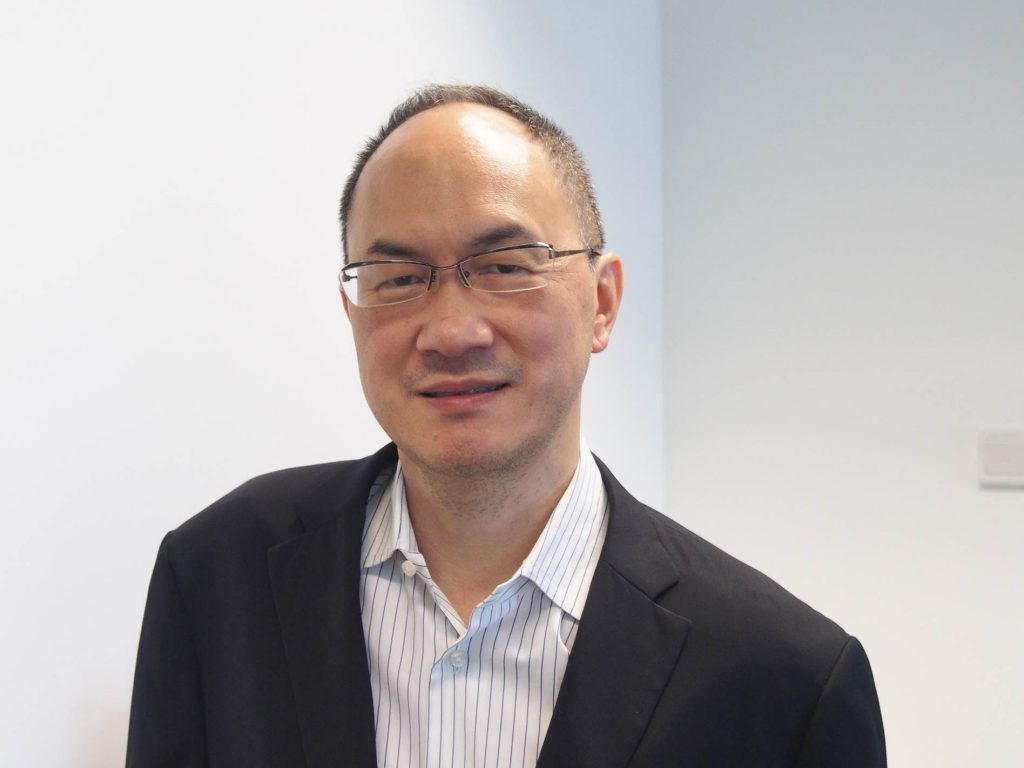
Mr Yang has been with IMC since 1995 and has held various senior appointments. Prior to joining IMC, Mr Yang was a member of Office of the Chairman Stan Shih and Associate General Counsel at Acer Computers in San Jose, California and Taipei, Taiwan. He started his career practising law in Silicon Valley at the Cooley Godward and Brobeck Phleger law firms.
Mr Yang is on the board of Directors for the Asian investment company of Verlinvest, NUS (National University of Singapore) Business School’s Centre for Governance, Institutions & Organisations. He also is on the Council of Asian Corporate Governance Association (Hong Kong), and
Mr Yang received a Bachelor of Science in Industrial Engineering from Stanford University and a JD from Stanford Law School.
Born in New York City, I grew up in Davis, California. I then lived in the Bay Area for several years attending university and law school and then practicing law. In 1995, I moved to Hong Kong and then to Singapore after I met and married my wife there. I work in a family business which was founded by my grandfather and does shipping & logistics.
I was honoured by Billy to ask to write this for his blog. I first met Billy in 1984 on the tennis courts (where else would he be! ) when I was in law school. His hearty laugh and fun loving nature enticed me to join FF Fraternity where Billy is active and one of the most respected senior brothers.
Needless to say, the year 2020 has been full of surprises. COVID. Black Lives Matters. California forest fires. The Presidential election.
From Singapore, I try to follow what is going on in the USA both for work and personal interest.
My working hypothesis is that the COVID virus has exposed and in some cases accelerated systemic issues and trends developed over the last 30 – 40 years of:
· a rise in inequality in terms of race, income and opportunity
· over indebtedness
· short-termism
· climate change
· digital economy
· an increasingly polarized population, and
· the shift from West to East which is impacting geopolitics
With staying at home more these days, there is a lot more time to think about these topics. Whether turning on the TV, listening to webinars and reading the newspapers, it can be information overload and lead to feelings of negative emotions and uncertainty as to what is real or fake news.
For the situation in the USA, I have been away from the USA since 1995. Although I do go back a few times a year until this year, I still feel not as in touch. The America today seems very different than the one back in 1995. What has helped me a lot in the last 6 months has been frequent calls with friends and relatives in the USA.
When Black lives matters protests in Minneapolis first happened, a cousin in the Bay Area told me that there were similar protests in small towns across America. That told me it was really widespread. Then there was the reporting on the protests in Portland. I spoke with a college friend who is from there and whose parents and adult children live there. He said the protests were taking place in an area of a few blocks by few blocks and not so widespread. Very different than what I saw or read in some of the media.
With time at home to read more, I started paying much more attention to climate change. To understand it better, I had calls with a friend from FF Fraternity who has been active in climate change for over a decade. I told him I wish I had the foresight like he did. Not only does climate change affect our business but one of the California fires this summer got to Vacaville which is only 20 miles from Davis where my mother, brother and his wife are.
I have regular weekly calls with a group of friends from a non-profit organization where we have been active for 20+ years. The group covers the political spectrum. We have good discussions especially on the US Presidential election. Amongst friends, we are able to discuss and respect each other’s opinions even though we sometimes have to agree to disagree. Though we have known each other for 20+ years meeting a few times a year, I feel we have gotten to know each other more during these calls. A silver lining to sheltering at home.
I speak weekly with my roommate from law school. He is very well-read and stays on top of current events. He also is a full-time arbitrator so makes his living by listening to both sides and then making the call. Putting aside his political leanings, he is able to get to the heart of the matters and explain both sides to me in a much more objective say than FOX and CNN.
I speak regularly with some college friends. This really helps to uplift my emotions as we remember the good old days including on my last trip to the USA last October. And to look forward to more in the future when we can travel again. Our conversations range from politics to college and professional sports.
I also speak frequently with a friend who is a former law firm colleague. We were both young associates together back in the day. We bonded over that experience as well as playing basketball and sports in general. I have always valued his opinion as he calls it like it is. He and his wife are both very civic minded so we also talk about what is happening in US society.
The FF Fraternity that Billy recruited me into has regular zoom get togethers. Some of it is social where its great to see familiar faces on Hollywood Squares on the zoom screen. And others cover serious topics where there are particular brothers who are subject matter experts. One of them was why there are so few Asian-American CEO’s at US companies. With the current US-China situation, it is a very sensitive time for Asian-Americans. I do not feel it living in Singapore but learn a lot about this from my FF brothers.
The virus has prevented seeing friends in person. But now that many of us are staying at home more, including not going on business trips, I have found more opportunities to talk more and more deeply with friends. They have been a real intellectual and emotional support. Still, I cannot wait to be able to travel to the USA and see them in person again.
Billy’s Comments: Yuelin is one of my favorite younger friends, for indeed he nurtures our Friendship by visiting me and Lucille every time he comes back to the Silicon Valley for business. Yuelin, Lucille and I deeply appreciate that ! Thank you for Keeping In Touch!
Voo Ming Hsien 武明賢 married Wang Yung thus became Ming Wang
Rumor had it that Voo Family in Ting Hai, 定海 (the small island right off NingPo 寧波) is descendant of Wu/Voo Zetian 武則天. Empress Voo was known for her nepotism. When she died, members of her family were thrown out; one branch got exiled as far South as Ting Hai 定海, where land ends at the ocean. Descendants of families in NingPo 寧波, Zhoushan City 舟山市, and Ting Hai, 定海 ; all seem to have done OK.
Hello Billy,
I’ve been thinking a lot about Friendship; much thought but not knowing how to put into words. After reading the recitations on your website, I am much enlightened by others who have put into words so eloquently and effectively of my many wanderings.
Amy Chua (author of Tiger Mother) wrote on “Political Tribes”. She reminds me that those of us who left our own countries, but carry with us much of our tribalism; myself indeed. I always remember the Chinese folktale of how men become life long “bosom buddies”,“知友” (zhī yǒu), enjoying glass of wine in a pavilion, writing poetry, or jumping to the rescue of his friend in need. Such friendship is to be worshipped and treasured. Did we, in China, have resentment towards “gay”? I wonder? Also, was such “bosom buddies” experiences enjoyed by men ONLY?
At my advancing age, I look back and find friends of many levels – acquaintances, business associates, casual friends and bosom buddies. A bosom buddy “知友” (zhī yǒu), is someone of kindred spirit. Someone you can exchange ideas, agree-to-disagree dialogs in gaining new perspectives, and such.
Upon reviewing several definitions of friendship, “Respect” pops up to me as a very significant element. For me, my bosom buddies do not relate to age, wealth, nor profession. In my younger days, my friends were older and related to me more like my mentors, guiding me, helping me to understand without being preachy.
I used to believe “知友” (zhī yǒu) is more of an Asian heritage. Fortunate for me, aside from a Chinese couple who took on the role of mentors when I first came to NY, I had a Jewish business partner/friend for some 30 years. At some business negotiation, the opposite side asked him why he worked so hard obviously defending and guiding me. My partner answered: she is my sister. His wife was also my bosom friend, helped and guided me every step along the way with my bringing up an Autistic child. He died of a heart attack in his 50’s, and she died 8 years ago.
My next business partner/friend for some 20 years was an Irish lawyer. Again, we were able to have exchanges of intellectual as well as trivial discourses. He passed away a few years ago.
From that era, I have remaining “知友” (zhī yǒu) – John Lee; Billy’s brother, who was at Yale Architecture School the same time with my husband Yung and myself. Although we are now thousands of miles apart, we are in touch via internet. He is also friend of Yung, but he and I exchange emails more often, on subjects from international affairs to cats and dogs. We are friends of some 60+ years and continuing.
Yung teases me of being a “busy body”, others labeled me a “people person”.
Now I have friends of younger age. I thrive at how they share willingly with me their dreams and goals. I respect their intellect, creativity, and fantasies. They accept my “2 cents” worth knowledge and advices. They keep me feeling alive.
At my age, I horde my friends as my treasures.
By the way, Billy, am I the 1st woman participant for your web page? Best, Ming 武明賢
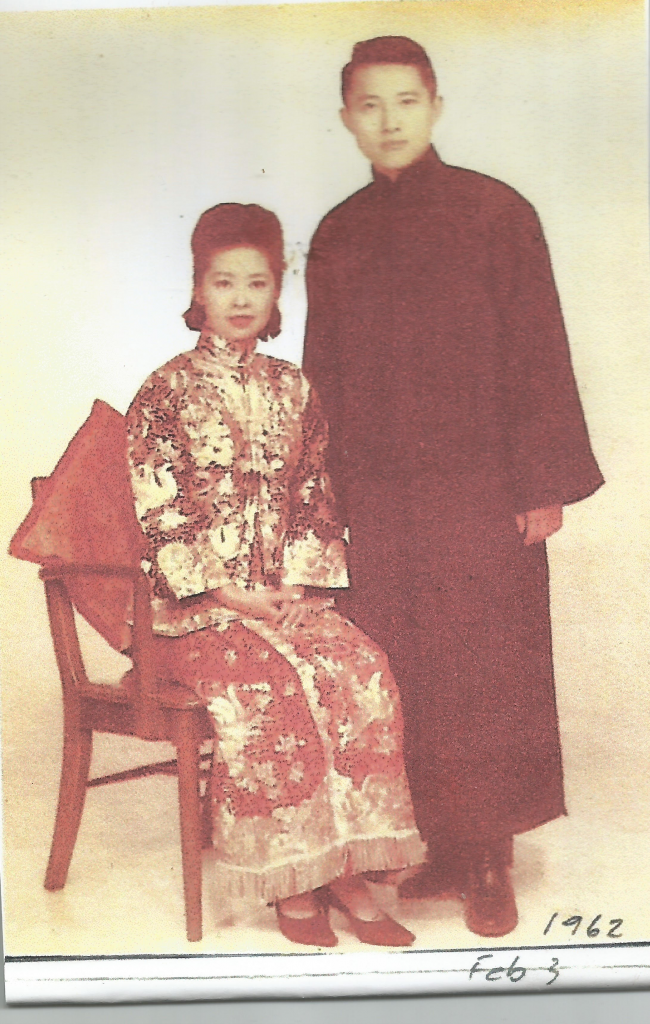
p.s. A brief auto-bio – Came to US before I graduated from McTyeire high school in Shanghai. Graduated with BA from U of Wisc. Came to NYC – worked as assistant to Vogue Feature Editor Allene Talmey; attended Cooper Union arch. evening school; attended & graduated from Yale Arch 1962. After Yale, form Hsien Inc. as president, in real estate; and maintained independent arch practice. Now, retired with son & daughter, grand son and grand daughter; and dogs and cat, and shamelessly bragging about having all my kids under the same roof – a typical, Chinese family compound.
p.p.s. Your brother John lived here with us for a few years too