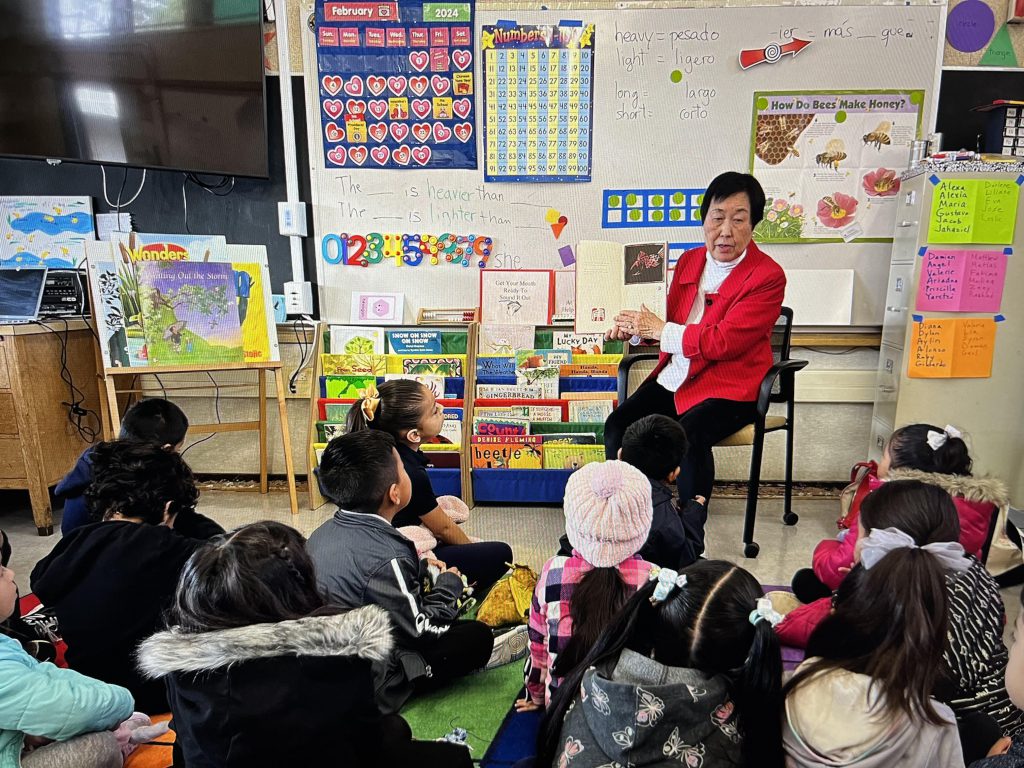
Describe Special Feeling when one is smiled at or have hands held by a very special kind person like perhaps Pope Francis, Mother Teresa, or simply an earnest young child. Description of special feelings when encountering or receiving Goodness and Kindness – Billy/Chat 2024

ChatGPT:  When someone receives a smile or a gentle touch from a person of deep kindness—like Pope Francis, Mother Teresa, or an earnest young child—the moment feels almost sacred. It’s as if time slows down, and the world around you fades into a soft blur. The warmth of their smile or the gentle pressure of their hand reaches far beyond the physical, touching the heart in a profound way.

This feeling is a mixture of awe and comfort, a recognition of pure goodness in its most simple form. It’s like a beam of light piercing through the everyday noise, illuminating something within you that you might have forgotten was there—a sense of hope, of shared humanity, of being truly seen and valued. The kindness feels almost tangible, wrapping around you like a soft, warm blanket on a cold day, offering both reassurance and a reminder of the beauty that still exists in the world.

There’s a deep sense of gratitude, too, not just for the act of kindness itself but for the presence of such goodness in the world. It’s a reminder that, despite everything, there are people who carry light within them, and that light is something you can carry forward as well. The feeling lingers long after the moment has passed, a gentle nudge to be kinder, more compassionate, and to see the world through a lens of love and empathy.

Comfort Level in Communicating and Building Friendship is Essential. “Walk the same pace to show you care.”  Billy / Chat  2024

ChatGPT: Here are some specific guidelines to enhance comfort and effectiveness in communication while building friendships:

Positive Practices:

  1. Eye Contact:
  1. Maintain appropriate eye contact to show you are engaged and interested.
  2. Avoid staring, which can make the other person uncomfortable.
  1. Active Listening:
  1. Nod occasionally and use verbal acknowledgments like “I see,” “That makes sense,” or “I understand.”
  2. Reflect on what the other person has said by paraphrasing or summarizing their points.
  1. Body Language:
  1. Use open and relaxed body language.
  2. Lean slightly forward to show interest.
  3. Avoid crossing your arms, which can appear defensive.
  1. Empathy and Understanding:
  1. Show empathy by acknowledging the other person’s feelings: “That sounds really tough,” or “I can see why you feel that way.”
  2. Ask open-ended questions to encourage them to share more: “How did that make you feel?” or “What do you think about that?”
  1. Positive Affirmations:
  1. Offer positive feedback and affirmations to support and encourage the other person.
  2. Compliment genuinely when appropriate.

Things to Avoid:

  1. Judgmental Statements:
  1. Avoid making uncompromising and demeaning judgments. Statements like “That’s a stupid idea” or “You always get it wrong” can be very hurtful.
  2. Instead, frame your concerns constructively: “I see where you’re coming from, but have you considered this perspective?”
  1. Interrupting:
  1. Do not interrupt or talk over the other person. Let them finish their thoughts before responding.
  1. Dismissive Body Language:
  1. Avoid rolling your eyes, sighing loudly, or checking your phone while someone is talking. These actions signal disinterest and disrespect.
  1. All-or-Nothing Thinking:
  1. Steer clear of binary thinking such as “agree or not agree” and “with us or not with us.” These attitudes can create unnecessary conflict and division.
  2. Emphasize common ground and shared values, even when you disagree on specifics: “We both care about this issue, even if we see it differently.”
  1. Defensiveness:
  1. Try not to get defensive if someone disagrees with you. Instead, listen to their point of view and ask questions to understand better.

Strategies for Inclusive Communication:

  1. Seek Understanding:
  1. When faced with differing opinions, aim to understand the underlying reasons and emotions. Ask questions like, “Can you help me understand your perspective?”
  1. Find Common Ground:
  1. Highlight areas of agreement before discussing differences. This can help build a foundation of trust and mutual respect.
  1. Respectful Disagreement:
  1. Practice respectful disagreement by acknowledging the other person’s point of view and then calmly explaining your own. Use “I” statements to express your feelings without blaming: “I feel that…”
  1. Open Dialogue:
  1. Foster an open dialogue where both parties feel safe to express their thoughts without fear of judgment or ridicule.

By focusing on these positive practices and avoiding common pitfalls, you can create a comfortable and supportive environment for communication and build stronger, more meaningful friendships.

50 Different “Good Feelings” after “Doing Good” – physically, mentally, emotionally, spiritually. Feelings felt by oneself and by others.   Possible examples: Warmth, Comfort, Gratefulness, Void of Stress, Anger, Anxiety, Discovering Light and Hope ahead, and Joy and Love forever regenerating. Billy/Chat 2024

ChatGPT: Here are 50 different “Good Feelings” that can arise after “Doing Good” or “Being Good,” covering physical, mental, emotional, and spiritual aspects:

  1. Warmth – A soothing sensation from helping others or being kind.
  2. Comfort – A sense of ease and relaxation after a generous act.
  3. Gratefulness – A feeling of appreciation for the positive impact made.
  4. Stress Relief – The reduction of tension and anxiety from good deeds.
  5. Inner Peace – A deep sense of tranquility and calm.
  6. Joy – A burst of happiness from contributing to someone else’s well-being.
  7. Love – A profound connection and affection for others.
  8. Empowerment – A feeling of strength and capability from making a difference.
  9. Satisfaction – A contentment from knowing you’ve done something positive.
  10. Pride – A sense of achievement and self-worth from your actions.
  11. Hope – A renewed belief in the potential for positive change.
  12. Fulfillment – A deep sense of purpose and completeness.
  13. Optimism – A hopeful outlook on the future from doing good.
  14. Compassion – A heartfelt sympathy and care for others’ suffering.
  15. Gratitude – A feeling of thankfulness from the impact made.
  16. Elation – An intense state of happiness and excitement.
  17. Serenity – A peaceful and calm state of mind.
  18. Relief – A release from tension and emotional burden.
  19. Connection – A sense of closeness and understanding with others.
  20. Contentment – A feeling of satisfaction and ease with the present moment.
  21. Harmony – A balanced and peaceful state of mind.
  22. Confidence – A boost in self-assurance from positive actions.
  23. Empathy – A deeper understanding and sharing in others’ feelings.
  24. Enlightenment – A feeling of spiritual or intellectual awakening.
  25. Renewal – A refreshed sense of energy and purpose.
  26. Cheerfulness – A light-hearted and positive demeanor.
  27. Serendipity – A sense of joy from unexpected positive outcomes.
  28. Inspiration – A motivating feeling to continue doing good.
  29. Graciousness – A feeling of kindness and generosity towards oneself and others.
  30. Balance – A sense of equilibrium and harmony in life.
  31. Trust – An increased belief in the goodness of people and the world.
  32. Awe – A feeling of wonder and admiration for the beauty of kindness.
  33. Tranquility – A calm and peaceful state of mind.
  34. Renewed Energy – A boost in vitality and enthusiasm for life.
  35. Relief from Guilt – A release from any negative self-judgment or remorse.
  36. Spiritual Fulfillment – A sense of alignment with one’s spiritual values.
  37. Excitement – A thrilling feeling from being part of something meaningful.
  38. Generosity – A warm feeling from sharing and giving to others.
  39. Contentedness – A state of being content and satisfied with oneself and one’s actions.
  40. Self-Love – A nurturing feeling of respect and care for oneself.
  41. Blessed – A sense of being favored or fortunate from positive actions.
  42. Healing – Emotional or psychological recovery from helping others.
  43. Rejuvenation – A feeling of being revitalized and refreshed.
  44. Trust in Humanity – A belief in the inherent goodness of people.
  45. Sociability – A feeling of connection and ease in social interactions.
  46. Fulfilled Potential – A sense of achieving one’s capabilities and purpose.
  47. Relief from Fear – A reduction in anxieties or fears after doing good.
  48. Empowerment of Others – A sense of joy from uplifting and supporting others.
  49. Freedom – A feeling of liberation from negative emotions or constraints.
  50. Mindfulness – A heightened awareness and appreciation of the present moment.

These feelings reflect a range of positive outcomes that can emerge from engaging in acts of kindness, personal growth, and spiritual development.

Please elaborate on “Discovery of Endless Regeneration of Love and Joy and Light and Hope”

ChatGPT: Certainly! The concept of the “Discovery of Endless Regeneration of Love, Joy, Light, and Hope” suggests a profound realization that these positive emotions and states are not finite or limited. Instead, they can perpetually renew and grow, creating a cycle of positivity and fulfillment. Here’s an elaboration on each element of this discovery:

1. Endless Regeneration of Love

  • Infinite Capacity: Love is often seen as an ever-expanding force. When you engage in acts of kindness or connect deeply with others, you experience a replenishment of love, which can then be shared more freely. This endless capacity for love means that the more you give, the more you receive, and the more you have to offer.
  • Mutual Growth: Loving relationships foster mutual growth and affection. As you nurture relationships, the love shared creates a positive feedback loop where both parties feel more connected and valued.
  • Healing Power: Love has the power to heal emotional wounds and mend relationships. Experiencing and giving love can transform pain into understanding, leading to continuous renewal of emotional strength.

2. Endless Regeneration of Joy

  • Joyful Activities: Engaging in joyful activities and experiences can continuously generate new sources of joy. When you focus on what brings you happiness and pursue it, you find that joy can be an ongoing source of energy and motivation.
  • Positive Impact: Spreading joy to others often results in receiving joy in return. Acts that make others happy can create a ripple effect, where the joy experienced by one person contributes to a broader atmosphere of positivity.
  • Gratitude and Appreciation: Cultivating a sense of gratitude can amplify joy. Appreciating the small and big moments in life fosters an environment where joy continually regenerates through acknowledgment and celebration.

3. Endless Regeneration of Light

  • Inner Light: The “light” here symbolizes inner clarity and enlightenment. As you grow personally and spiritually, you gain more insight and wisdom, which illuminates your path and the paths of those around you.
  • Positive Influence: When you share your inner light—through optimism, kindness, and wisdom—you positively influence others. This, in turn, inspires them to shine their own light, creating a community of mutual encouragement and illumination.
  • Resilience in Adversity: Finding and nurturing inner light helps you navigate challenges with hope and clarity. This light can be a source of comfort and strength, constantly regenerating even in difficult times.

4. Endless Regeneration of Hope

  • Vision of Possibility: Hope is fueled by the belief in potential and possibility. When you actively work towards your goals and witness progress, your hope is continually renewed as you see the fruits of your efforts.
  • Support Systems: Engaging with a supportive community or surrounding yourself with hopeful individuals can reinforce your own sense of hope. The shared optimism and encouragement help sustain and regenerate hope in collective settings.
  • Positive Outcomes: Experiencing and recognizing positive outcomes, whether big or small, reinforces hope. Every success, however minor, can be a testament to the power of perseverance and the endless possibilities that lie ahead.

Integration of Love, Joy, Light, and Hope

  • Holistic Well-being: When you discover that love, joy, light, and hope can regenerate endlessly, you embrace a holistic sense of well-being. Each element supports and enhances the others, creating a balanced and enriched life.
  • Continuous Growth: This discovery encourages a mindset of continuous growth and learning. As you nurture these positive emotions and states, you foster an environment where personal and collective flourishing can thrive indefinitely.
  • Inspirational Legacy: By embodying and spreading these qualities, you inspire others to do the same, perpetuating a cycle of positivity that extends beyond your individual experience and contributes to a broader cultural shift towards compassion and optimism.

In summary, the “Discovery of Endless Regeneration of Love, Joy, Light, and Hope” highlights the idea that these positive states are not limited resources but rather abundant and self-renewing. Embracing this perspective allows for a continuous cycle of giving and receiving, creating a rich and fulfilling life experience for oneself and others.

ChatGPT: Here are a few books and writings that delve into the concepts of endless regeneration of love, joy, light, and hope:

1. Love

  • “The Art of Loving” by Erich Fromm
    This classic book explores the nature of love and the ways it can be cultivated and deepened. Fromm argues that love is an art that requires knowledge, effort, and practice, and he provides insights into how love can be a transformative force in our lives.
  • “The Five Love Languages: How to Express Heartfelt Commitment to Your Mate” by Gary Chapman
    This book explores the different ways people give and receive love and offers practical advice on how to improve relationships by understanding and speaking your partner’s love language.

2. Joy

  • “The Book of Joy: Lasting Happiness in a Changing World” by Dalai Lama, Desmond Tutu, and Douglas Abrams
    This book combines the wisdom of two spiritual leaders, offering insights into finding and sustaining joy despite life’s challenges. It provides practical advice on how to cultivate joy in daily life.
  • “Joyful: The Surprising Power of Ordinary Things to Create Extraordinary Happiness” by Ingrid Fetell Lee
    Fetell Lee explores how the physical environment can influence our sense of joy and provides actionable tips on how to design spaces and lives that foster happiness.

3. Light

  • “The Power of Now: A Guide to Spiritual Enlightenment” by Eckhart Tolle
    Tolle’s influential book focuses on achieving spiritual enlightenment and living fully in the present moment. It discusses how inner light and awareness can lead to personal transformation.
  • “Awakening the Mind: A Guide to Spiritual Transformation” by Ramesh S. Balsekar
    This book offers insights into spiritual awakening and the realization of one’s inner light. Balsekar’s teachings focus on transcending the ego and experiencing a deeper sense of being.

4. Hope

  • “Man’s Search for Meaning” by Viktor E. Frankl
    Frankl, a Holocaust survivor, explores the human quest for meaning and the role of hope in overcoming adversity. His reflections on finding purpose in suffering provide a powerful perspective on hope.
  • “The Optimism Bias: A Tour of the Irrationally Positive Brain” by Tali Sharot
    This book examines the science behind optimism and how a positive outlook on life can influence our behavior and mental health. Sharot’s research sheds light on the psychological mechanisms that fuel hope and optimism.

General Exploration of All Concepts

  • “The Gifts of Imperfection: Let Go of Who You Think You’re Supposed to Be and Embrace Who You Are” by Brené Brown
    Brown’s work addresses the cultivation of self-compassion, love, and joy through embracing vulnerability and authenticity. Her research offers practical advice on living a wholehearted life.
  • “The Four Agreements: A Practical Guide to Personal Freedom” by Don Miguel Ruiz
    Ruiz’s book outlines four principles for personal growth and emotional freedom, touching on themes of love, joy, and hope. His agreements offer a framework for living a more fulfilling and enlightened life.

These books provide valuable insights and practical guidance on nurturing and experiencing love, joy, light, and hope, each contributing to a deeper understanding of how these positive qualities can be cultivated and sustained.

SUMMARY OF HISHAN MASTAR’S “MY FRIEND” – Billy/Chat  2024

Hisham Matar’s “My Friend” is a poignant exploration of friendship, memory, and the bonds that shape our lives. Here is a summary of the key themes and plot points of the book:

Plot Summary

The narrative centers on the author’s friendship with a man named Christopher. The book begins with the recollection of their first meeting and traces the development of their friendship over the years. Christopher is depicted as a significant figure in Matar’s life, providing companionship, support, and intellectual stimulation.

Key Themes

  1. Memory and Loss: Matar delves into the ways memories shape our identities and relationships. The book reflects on the pain of loss, both personal and collective, and the enduring impact of those we have loved.
  2. The Nature of Friendship: The author examines what it means to be a friend and the qualities that define true friendship. The narrative highlights the importance of trust, loyalty, and shared experiences.
  3. Cultural and Personal Identity: Matar’s reflections are often interwoven with his own experiences as a Libyan expatriate and the impact of his father’s disappearance during the Gaddafi regime. This personal history adds depth to his understanding of friendship and loss.
  4. Intellectual and Emotional Bonds: The friendship between Matar and Christopher is characterized by deep intellectual conversations and emotional support, showcasing the role of friendships in personal growth and resilience.

Writing Style

Matar’s writing is introspective and lyrical, offering profound insights into the human condition. His prose is rich with emotion and reflective of his background as a novelist and memoirist.

Impact and Reception

“My Friend” has been praised for its heartfelt and honest portrayal of friendship. Matar’s ability to weave personal narrative with broader reflections on life and loss resonates deeply with readers, making the book a moving tribute to the power of human connection.

__________________________________________

THREE AUTHORS ON FRIENDSHIP SEEM TO SHARE SIMILAR VIEWS – Kasley Killam, Kim Wier. and Alan McGinnis – Billy/Chat – 2024

The Art and Science of Connecting” by Kasley Killam provides several practical pieces of advice for fostering meaningful relationships and a sense of community:

  1. Active Listening: Pay full attention when someone is speaking, showing empathy and understanding without interrupting. This builds trust and strengthens bonds.
  2. Express Gratitude: Regularly express appreciation for the people in your life. Acknowledging others’ efforts and kindness fosters positive feelings and reinforces connections.
  3. Be Present: Make an effort to be fully present in your interactions, whether in person or virtually. Limit distractions and focus on the person you are with.
  4. Initiate Contact: Don’t wait for others to reach out. Take the initiative to start conversations and arrange meetups, showing that you value the relationship.
  5. Practice Vulnerability: Share your thoughts, feelings, and experiences openly. Being vulnerable can deepen relationships by fostering mutual understanding and trust.
  6. Engage in Shared Activities: Participate in activities that you and others enjoy. Shared experiences can create lasting bonds and provide opportunities for connection.
  7. Join Communities: Get involved in groups or organizations that align with your interests. Being part of a community can provide a sense of belonging and offer opportunities to meet like-minded individuals.
  8. Show Empathy and Support: Be there for others during both good and challenging times. Offering emotional support and understanding strengthens relationships.
  9. Maintain Regular Contact: Keep in touch with friends and family regularly, even if it’s just a quick message or call. Consistent communication helps maintain connections over time.
  10. Prioritize Quality Over Quantity: Focus on building a few deep, meaningful relationships rather than trying to maintain a large number of superficial connections.

By incorporating these practices into daily life, you can enhance your relationships and create a stronger sense of community and belonging.

_________________________________________________

In Kim Wier’s “The Art of Friendship: Creating and Keeping Relationships that Matter,” she outlines 70 simple rules for building and maintaining meaningful friendships. Here is a summary of some key rules from her book:

  1. Be Intentional: Make a conscious effort to build and nurture friendships.
  2. Show Up: Be present in your friends’ lives, both in good times and bad.
  3. Listen Well: Practice active listening to understand and support your friends.
  4. Be Honest: Cultivate trust by being truthful and transparent.
  5. Offer Encouragement: Be a source of positivity and motivation.
  6. Make Time: Prioritize your friendships by setting aside time for your friends.
  7. Be Reliable: Keep your promises and be dependable.
  8. Show Appreciation: Regularly express gratitude and appreciation.
  9. Forgive Quickly: Let go of grudges and be quick to forgive.
  10. Celebrate Successes: Share in your friends’ joys and achievements.
  11. Be Vulnerable: Share your true self and allow your friends to do the same.
  12. Offer Help: Be willing to assist your friends in times of need.
  13. Respect Boundaries: Understand and respect the personal boundaries of your friends.
  14. Share Experiences: Create shared memories through activities and experiences.
  15. Communicate Clearly: Ensure your communication is open and clear.
  16. Be Kind: Practice kindness in your words and actions.
  17. Laugh Together: Enjoy humor and light-hearted moments.
  18. Pray for Your Friends: If applicable, include your friends in your prayers.
  19. Support Growth: Encourage your friends’ personal and spiritual growth.
  20. Stay Connected: Maintain regular contact, even if it’s through small gestures.

While the book covers many more rules, these examples reflect the core principles that Wier emphasizes for cultivating lasting and meaningful friendships

_________________________________________________

.Alan McGinnis’s book “The Friendship Factor: How to Get Closer to the People You Care For” provides valuable insights and practical strategies for building deeper and more meaningful relationships. Here are some key insights and strategies from the book:

Key Insights:

  1. Importance of Friendship:
    • Strong friendships are crucial for emotional well-being and happiness.
    • Close relationships contribute significantly to overall life satisfaction.
  2. Active Participation:
    • Friendship requires effort and active involvement from both parties.
    • Investing time and energy in relationships is essential for their growth.
  3. Communication:
    • Open and honest communication is the foundation of any strong friendship.
    • Effective listening and empathetic responses strengthen connections.
  4. Trust and Loyalty:
    • Trust is built through consistent, reliable behavior and honesty.
    • Loyalty and support during difficult times are key components of a lasting friendship.
  5. Mutual Respect:
    • Respecting each other’s differences and boundaries fosters a healthy relationship.
    • Valuing and appreciating each other enhances the bond.

Strategies:

  1. Be a Good Listener:
    • Show genuine interest in what your friend is saying.
    • Avoid interrupting and provide feedback that shows you understand their perspective.
  2. Express Affection:
    • Regularly show your friends that you care about them through words and actions.
    • Small gestures of kindness and appreciation can go a long way.
  3. Share Your Life:
    • Open up about your own experiences, feelings, and thoughts.
    • Being vulnerable can create a deeper sense of intimacy and trust.
  4. Offer Support:
    • Be there for your friends during both good and challenging times.
    • Offer practical help, emotional support, and encouragement.
  5. Spend Quality Time:
    • Prioritize spending time together, whether it’s through shared activities or simply being present.
    • Make an effort to maintain regular contact, even if it’s just a quick message or call.
  6. Practice Forgiveness:
    • Be willing to forgive and move past conflicts or misunderstandings.
    • Holding onto grudges can damage the relationship.
  7. Celebrate Achievements:
    • Share in your friends’ successes and celebrate their accomplishments.
    • Showing pride and joy in their achievements strengthens the bond.
  8. Cultivate Mutual Interests:
    • Engage in activities and hobbies that you both enjoy.
    • Shared experiences can create lasting memories and reinforce your connection.
  9. Show Empathy:
    • Try to understand and relate to your friends’ emotions and experiences.
    • Empathy helps build a deeper connection and fosters a supportive environment.
  10. Be Honest:
    • Communicate openly and honestly, even when it’s difficult.
    • Transparency builds trust and prevents misunderstandings.

By implementing these insights and strategies, you can foster deeper, more meaningful relationships with the people you care about.

___________________________________________________